Francais
The gastric bypass procedure in Turkey is a commonly performed weight-loss surgery that, combined with healthy eating habits and lifestyle changes, can lead to significant weight loss. It is particularly popular among diabetic patients because the hormonal changes caused by the surgery often reduce the need for diabetes medication. Gastric bypass is also one of the oldest and most effective obesity surgery procedures in terms of weight-loss results.
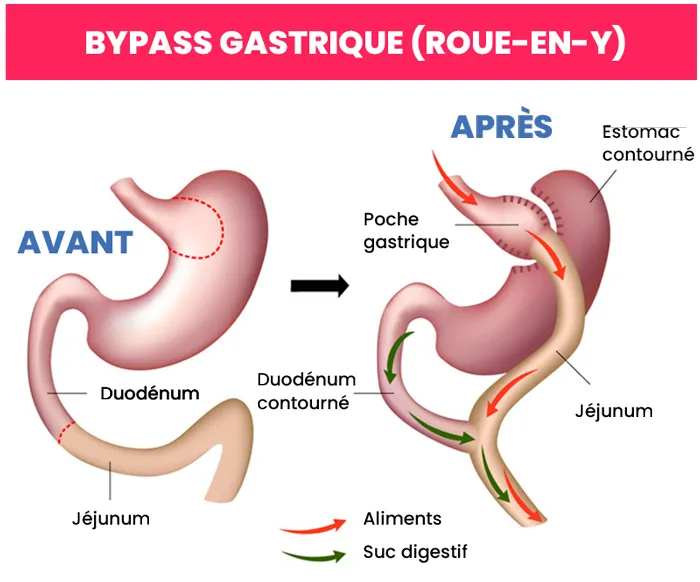
Gastric bypass surgery takes between 2 and 3 hours and is performed laparoscopically under general anesthesia. This involves making several small incisions, between 5 and 15 mm long, in the abdomen through which surgical instruments, including a camera, are inserted. The upper part of the stomach is then stapled to create a small pouch, holding around 30 to 50 ml, which becomes the new smaller stomach and is completely separated from the rest of the stomach. This new stomach pouch is then connected to the middle part of the small intestine, the jejunum, to create a “Y” shape, which is why gastric bypass is often called “Roux-en-Y”. As a result, the first part of the small intestine, the duodenum, is bypassed. The rest of the stomach and the duodenum remain in the body but are no longer used for food digestion.
This bypass reduces the amount of calories and fat the body would normally absorb. In addition, because the new pouch can only hold a small amount of food, patients must chew their food very carefully after surgery.
You may be considered a good candidate for gastric bypass if your body mass index (BMI) is over 40, or over 35 if you have a weight-related condition such as type 2 diabetes, high blood pressure, sleep apnea, etc., and if you have tried other weight-loss methods, such as dieting, without long-term success.
The disadvantages of Roux-en-Y gastric bypass are generally related to the extent of the surgery:
Gastric bypass is effective both for reducing initial weight and maintaining long-term weight loss. Most people who undergo this obesity surgery can expect to lose 25% to 35% of their total body weight during the first 12 to 18 months after surgery, and up to 70% of excess weight over 10 years.
As a general rule, patients stay at the clinic for 2 to 3 days after surgery. After the procedure, you will slowly sip only clear liquids such as water, black tea, broth or juice. Once the size and function of the pouch have been confirmed, you will be able to drink freely for the rest of your stay at the clinic. Over the next 4 to 6 weeks, as your body heals, you will gradually increase the texture and volume of the foods you eat. More detailed information and healthy dietary guidelines will be provided during your appointment with our surgeon.
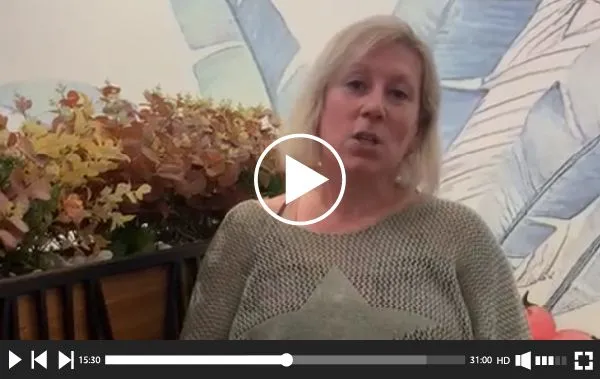
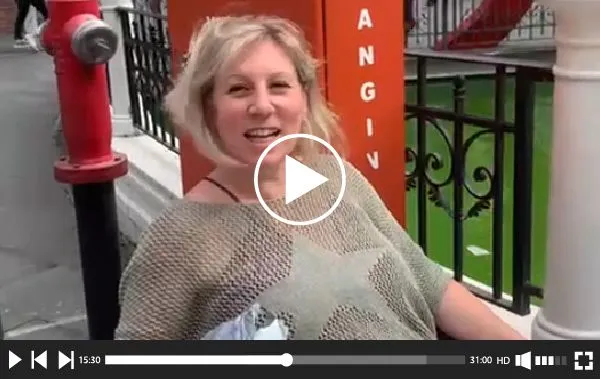
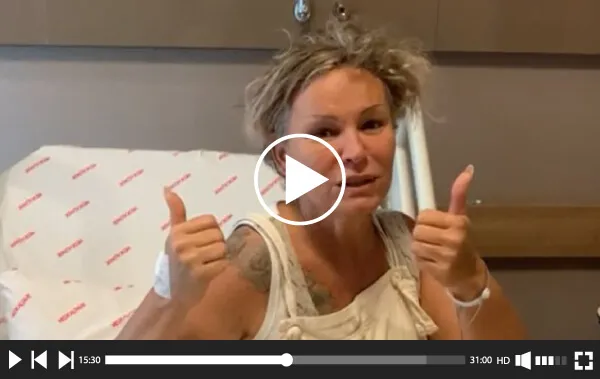
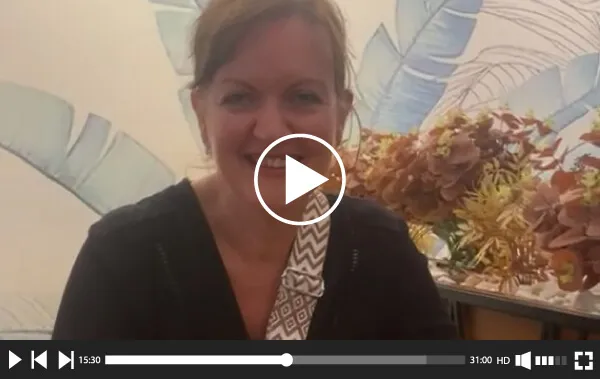
Patients who underwent sleeve surgery in Turkey with Prof. Dr. Aziz SUMER share their experiences.
By Prof. Dr. Aziz SUMER
By Prof. Dr. Aziz SUMER
By Prof. Dr. Aziz SUMER
By Prof. Dr. Aziz SUMER
By Prof. Dr. Aziz SUMER
Save up to 70% and choose obesity surgery in Turkey
The quote you will receive will be all-inclusive, with no hidden fees except for your personal expenses...
Free quote +90 542 727 04 37